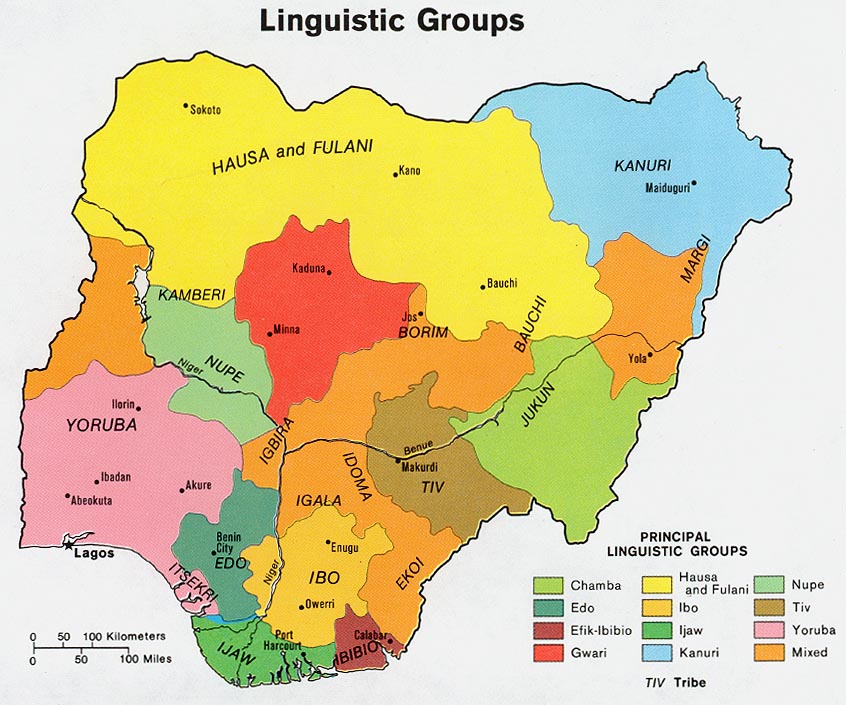
The Kiong people live in southeastern Nigeria, primarily in Cross River State, within Odukpani and Akamkpa Local Government Areas, including villages such as Akpap and communities northeast of Calabar. Their language, also called Kiong or Kayon, belongs to the Upper Cross branch of the Niger-Congo family and is critically endangered, spoken today only by a few elderly individuals.
Historically, the Kiong-speaking Okoyong communities have long existed among the cluster of ethnic groups in southern Cross River State, interacting with neighbors such as the Ejagham, Ibibio, and Efik. Over time, many Kiong have shifted to using Efik due to its regional dominance, contributing to the decline of their ancestral language.
The Kiong-speaking Okoyong people maintain a lifestyle built upon farming, fishing, and small-scale hunting. Their work life reflects the fertile rainforest environment in which they live, with crops and local river resources forming a foundation for daily survival. Families typically function within patrilineal structures, and households cooperate closely in agricultural labor and community obligations.
Their diet consists of foods commonly grown or gathered in their region, including local staples harvested from farms and fish obtained from rivers and streams. Meals often reflect seasonal availability and traditional cooking practices passed through generations.
Community life includes important cultural expressions such as libation rituals, which historically connected the living with their ancestors and affirmed communal unity. These rituals, still observed to some extent, involve symbolic language and actions that reinforce cultural identity. Festivals and communal gatherings remain meaningful social events, strengthening solidarity among the Kiong and Okoyong communities.
Christianity is the primary religious affiliation among the Kiong. While elements of traditional spirituality still appear in cultural ceremonies such as libation practices, the central religious identity of the community today is Christian. Christian influence shapes much of their moral outlook, communal life, and engagement with neighboring peoples.
Sustained development in education, infrastructure, and healthcare would positively impact the wellbeing of the Kiong communities. Improvements in transportation, medical access, and schooling would help stabilize families and strengthen community resilience.
There is also an urgent need for preservation of the Kiong language, which is nearing extinction. Documenting the language and encouraging cultural transmission could help protect an important part of their identity.
Spiritually, many believers desire greater grounding in Scripture and stronger discipleship so that local Christians can continue maturing in Christ. Continued engagement from biblically faithful ministries would reinforce spiritual growth and build up the local church for wider mission involvement.
Pray for improved access to education, healthcare, and stable local infrastructure among the Kiong communities.
Pray that Kiong believers will grow in spiritual maturity through faithful teaching of God's word.
Pray for efforts to preserve and document the Kiong language so cultural identity is not lost.
Pray that the Kiong Christians will become a vibrant gospel force among less-reached peoples in West Africa.
Scripture Prayers for the Kiong in Nigeria.
https://en.wikipedia.org/wiki/Kiong_language
https://www.jstor.org/stable/48799822
https://www.endangeredlanguages.com/elp-context/context-11736-kiong-source-africa
| Profile Source: Joshua Project |